
How Much Does It Cost to Ship a Car in 2026? A Complete Guide
Shipping a vehicle can be a convenient alternative to driving long distances, especially when relocating, purchasing a car online, or moving a vehicle between states. However, one of the first questions customers ask is, “How much does it cost to ship a car?”
The answer depends on several factors. Vehicle shipping does not have a universal flat rate because every shipment involves different distances, vehicle specifications, transportation requirements, and scheduling considerations.
At VisionPath Auto Transport in San Diego, California, we believe understanding these factors can help you plan your vehicle shipment more confidently.
1. Distance and Transportation Route
Distance is one of the most significant factors influencing car shipping costs. Longer shipments generally cost more overall because they require additional fuel, driving time, and transportation resources.
However, the cost per mile may decrease on longer routes. Popular transportation corridors with frequent carrier traffic may also offer more competitive pricing than remote destinations.
For example, shipping between major metropolitan areas can differ in cost from transporting a vehicle to a rural location, even when the mileage is similar.
2. Open vs. Enclosed Auto Transport
The type of carrier you select directly affects the shipping price.
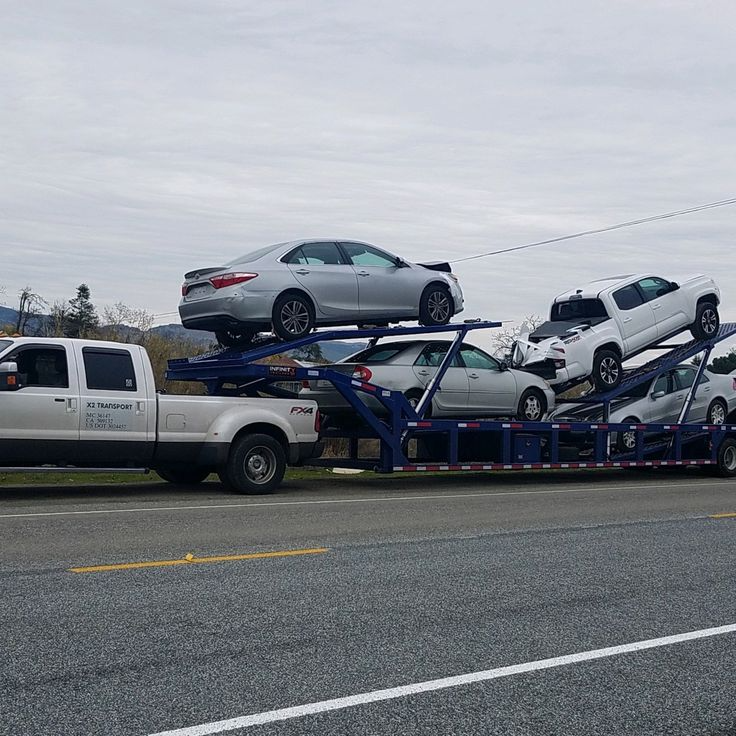
Open car transport is usually the more economical option. Multiple vehicles can travel on a single open-air trailer, helping distribute transportation costs among customers. It is a common choice for sedans, SUVs, pickup trucks, and everyday vehicles.
Enclosed car transport typically costs more because enclosed trailers often carry fewer vehicles and offer additional protection from outdoor elements. This option is especially popular for luxury vehicles, classic cars, exotic automobiles, and collector cars.
The best choice depends on your vehicle’s value, condition, and desired level of protection.
3. Vehicle Size and Weight
Larger and heavier vehicles may cost more to transport than smaller passenger cars.
A compact sedan generally requires less trailer space and contributes less weight than a full-size pickup truck or large SUV. Modified vehicles, oversized tires, low ground clearance, and aftermarket accessories can also affect carrier compatibility and pricing.
When requesting a quote, provide accurate information about your vehicle’s make, model, year, and modifications.
4. Pickup and Delivery Locations
Your pickup and delivery addresses can influence transportation costs.
Locations near major highways and common shipping routes may be easier for carriers to access. Remote communities, narrow residential streets, or destinations requiring additional travel can increase transportation complexity.
Door-to-door shipping is convenient, but large carrier trucks may need to meet customers at nearby accessible locations.
5. Seasonal Demand
Auto transport prices may fluctuate throughout the year.
Demand can increase during summer moving season, major relocation periods, and seasonal migration between northern and southern states.
Weather conditions can also affect certain routes, particularly during winter.
Customers with flexible shipping dates may have more opportunities to compare carrier availability and pricing.
6. Vehicle Condition
Operational vehicles are generally easier to load and unload using standard carrier equipment.
If your car does not start, steer, roll, or brake properly, special equipment or handling may be necessary. This can increase the cost or limit available carrier options.
Always disclose mechanical or operational problems before scheduling transportation.
7. How to Find Affordable Auto Transport
Getting a competitive shipping price does not mean choosing the lowest quote without considering the service details.
Before confirming a shipment, compare transportation methods, estimated pickup windows, carrier arrangements, insurance information, and payment terms.
Flexible pickup dates may help reduce costs. Open transport can also be an economical option when additional enclosed protection is unnecessary.
Be cautious of unusually low quotes that do not clearly explain what is included.
8. Request a Personalized Shipping Quote
The most accurate way to estimate your transportation cost is to request a quote using your actual shipment information.
Be prepared to share your pickup and delivery ZIP codes, vehicle details, preferred transport type, and approximate shipping dates.
VisionPath Auto Transport helps customers explore car shipping solutions for different transportation needs.
Final Thoughts
Car shipping costs depend on more than mileage alone. Vehicle dimensions, carrier type, route demand, seasonal conditions, and pickup accessibility all play important roles.
Understanding these variables makes it easier to choose a transportation option that balances convenience, protection, and affordability.
Ready to ship your vehicle? Contact VisionPath Auto Transport at (619) 637-3097 or visit visionpathautotransport.us to request a personalized auto transport quote.