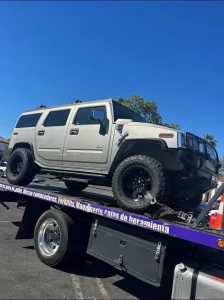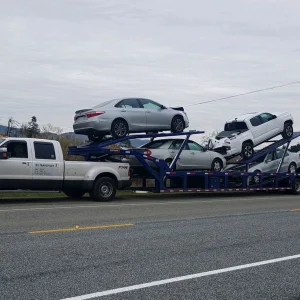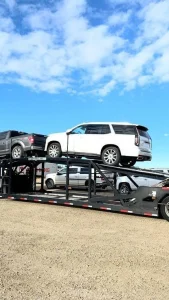

Moving your vehicle to another state? VisionPath Auto Transport helps customers arrange state-to-state car shipping solutions for relocations, online vehicle purchases, seasonal moves, and long-distance transportation needs. Choose from open or enclosed shipping options and coordinate convenient pickup and delivery arrangements. Our goal is to help make interstate vehicle transportation straightforward, practical, and easier to plan.
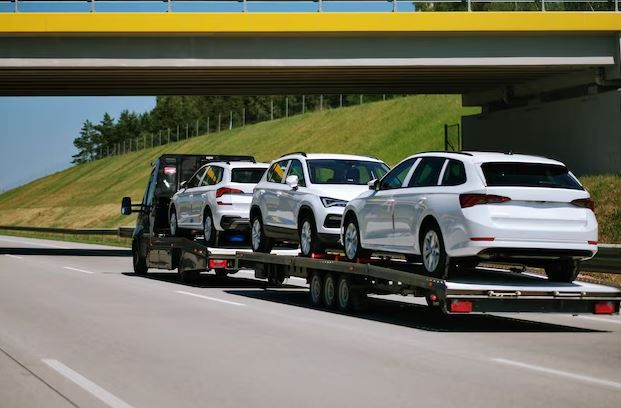
Moving a vehicle from one state to another can involve significant time, planning, and travel expenses.
Whether you are relocating for a new job, moving closer to family, buying a vehicle from an out-of-state dealership, or transporting a car to a seasonal residence, professional auto transport can be a convenient alternative to driving the entire distance.
VisionPath Auto Transport, based in San Diego, California, helps customers explore state-to-state vehicle shipping arrangements for a variety of transportation needs.
We focus on providing clear information about shipping methods, preparation requirements, scheduling considerations, and the overall transportation process.
State-to-state auto transport involves shipping a vehicle from a pickup location in one U.S. state to a destination in another.
This type of transportation is commonly used for household relocations, dealership purchases, family vehicle transfers, and long-distance moves.
Vehicles are typically transported using specialized open or enclosed carriers.
The appropriate shipping method depends on the vehicle’s specifications, the customer’s budget, desired protection level, and available transportation options.
Interstate shipping can involve routes between neighboring states or journeys spanning thousands of miles.
Driving across several states can be exhausting and time-consuming.
Long trips may require overnight accommodations, meals, fuel stops, and adjustments to personal schedules.
Arranging professional vehicle transportation allows customers to travel separately while their vehicle is moved according to the shipping agreement.
A cross-country drive can add thousands of miles to a vehicle’s odometer.
This may contribute to tire wear, maintenance needs, and general vehicle usage.
State-to-state auto transport allows the vehicle to travel on a carrier for most of the journey, avoiding the mileage associated with driving the entire route.
Customers can choose between different transportation methods depending on availability.
Open car transport is commonly selected for everyday vehicles because it is generally more economical.
Enclosed car transport offers additional protection from outdoor conditions and may be appropriate for luxury, classic, or collectible automobiles.
Door-to-door arrangements may be available for interstate shipments.
When carrier access permits, customers can request pickup and delivery near their chosen addresses.
If large transport trucks cannot safely access a particular location, a nearby suitable meeting point may be coordinated.
State-to-state auto shipping can support many situations, from permanent household moves to temporary assignments.
It is also useful when customers purchase vehicles from dealerships or private sellers located far from home.
Start by sharing your vehicle’s make, model, year, condition, pickup location, destination, and preferred shipping dates.
Mention any special requirements, such as oversized dimensions, non-running condition, or low ground clearance.
Accurate information helps identify suitable transportation arrangements.
Review the available open and enclosed transportation options.
Consider your vehicle’s value, the level of environmental protection you prefer, your budget, and the estimated scheduling window.
Before confirming, review the quote, payment terms, cancellation provisions, and applicable carrier information.
Clean the vehicle, remove personal belongings, secure loose accessories, and take photographs of its existing condition.
Check that the vehicle can be loaded and unloaded unless special arrangements have been made for an inoperable automobile.
Have the vehicle keys ready for the driver.
At pickup, the vehicle will generally be inspected and its condition documented.
The assigned carrier will then load and secure the vehicle for transportation.
Customers should retain a copy of the pickup paperwork.
The carrier transports the vehicle along the planned route toward its destination.
Delivery estimates may change because of weather, traffic, road closures, carrier scheduling, and other operational factors.
Customers should remain available for transportation-related communications.
When the vehicle arrives, inspect its condition and compare it with the original pickup documentation.
Record any concerns promptly and follow the applicable delivery and claims procedures.
State-to-state vehicle shipping is useful for a wide range of customers.
Families relocating to another state may use transportation services to avoid driving multiple vehicles.
College students may arrange vehicle shipping when attending school far from home.
Military families, professionals on temporary assignments, and seasonal residents may also benefit from long-distance transportation arrangements.
Online vehicle buyers can use interstate shipping to receive automobiles purchased from distant sellers.
Dealerships and businesses may arrange transportation for vehicles moving between commercial locations.
San Diego’s location in Southern California makes it an important starting point or destination for many vehicle shipping plans.
Customers may need transportation between California and neighboring states such as Arizona or Nevada, or longer-distance shipping to destinations elsewhere in the United States.
VisionPath Auto Transport helps customers discuss interstate shipping options based on their specific origin and destination.
Carrier availability, transportation routes, and estimated transit times should be confirmed for each shipment.
Delivery time depends on the distance between locations and the operational conditions affecting the route.
Regional interstate shipments may require fewer transit days than coast-to-coast transportation.
However, carrier scheduling, weather, traffic, pickup coordination, and other factors can influence the overall timeline.
Customers should distinguish between estimated pickup dates and estimated transit time when planning their moves.
Unless specifically guaranteed in a written agreement, transportation dates should be treated as estimates.
Several factors influence interstate shipping prices.
Distance is important, but vehicle dimensions, transportation method, route popularity, fuel expenses, and seasonal demand also contribute.
Larger vehicles may require more trailer space, while enclosed transportation generally costs more than open shipping.
Flexible pickup dates may provide additional scheduling options.
The best way to estimate the cost is to request a personalized quote using accurate shipment details.
Plan transportation early whenever possible.
Confirm the pickup and delivery addresses, prepare your vehicle for inspection, and keep all relevant transportation documents.
Stay reachable around the estimated pickup and delivery windows.
If you are permanently relocating, remember to review your destination state’s registration, licensing, and insurance requirements separately from the shipping arrangements.
VisionPath Auto Transport helps customers explore vehicle transportation options that suit their relocation plans, budgets, and vehicle requirements.
We aim to simplify the decision-making process through helpful information, clear service explanations, and practical shipping arrangements.
Whether your vehicle is traveling between neighboring states or across the country, understanding your options is an important first step.
Planning to ship your vehicle to another state?
VisionPath Auto Transport can help you explore available transportation options and prepare for your upcoming shipment.
Call (619) 637-3097 or email info@visionpathautotransport.us to request your interstate vehicle shipping quote today.
Find answers to some common questions about car shipping and vehicle transportation.
The cost of auto transport depends on several factors, including shipping distance, vehicle size, transportation method, route availability, seasonal demand, and pickup flexibility. Open transport is generally more affordable than enclosed transport. Contact VisionPath Auto Transport for a quote based on your specific shipment details.
Delivery times vary depending on the distance, route, weather, traffic, and carrier availability. Shorter regional shipments may take only a few days, while cross-country deliveries can take longer. Pickup and delivery estimates should be confirmed when scheduling, and transit times are not guaranteed unless expressly agreed in writing.
Open car transport is a widely used shipping method for standard passenger vehicles. Cars are secured to specialized carriers for transportation. However, because the trailer is open, vehicles may be exposed to weather, dust, and road debris. Customers seeking additional environmental protection may prefer enclosed transport.
You or an authorized adult should generally be available to release the vehicle at pickup and receive it at delivery. The person present may need to provide keys, inspect the vehicle, and sign transportation documents. If you cannot attend, ask about arranging an authorized representative in advance.
Wash your vehicle, remove personal belongings and loose accessories, document its existing condition, and make sure it is operational unless you have arranged transportation for an inoperable vehicle. Keep the fuel level around one-quarter tank unless your carrier provides different instructions, and provide a working key for loading and unloading.