
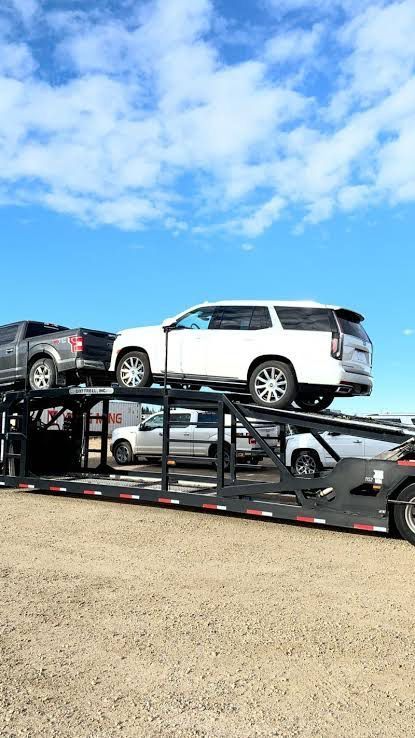
How to Prepare Your Car for State-to-State Shipping: A Step-by-Step Guide
Shipping your vehicle to another state can save you from a long drive, additional mileage, and the inconvenience of coordinating a separate road trip.
Whether you’re relocating for work, moving closer to family, attending college, or purchasing a vehicle from another state, proper preparation helps make the transportation process more organized.
At VisionPath Auto Transport, we encourage customers to understand the shipping process before their scheduled pickup date.
Here are the essential steps to prepare your car for interstate transportation.
Step 1: Confirm Your Shipping Details
Before pickup, verify the transportation arrangements.
Review your vehicle information, pickup address, delivery destination, contact numbers, transportation method, and estimated scheduling window.
If you have special requirements, such as an inoperable vehicle or limited pickup access, communicate them before dispatch.
Confirm who will be available to release the vehicle at pickup and receive it at delivery.
Step 2: Wash Your Vehicle
Cleaning your car before shipping makes it easier to inspect its exterior.
Dirt, mud, and heavy dust can hide existing scratches, dents, or other cosmetic damage.
A clean vehicle also helps you document its condition accurately before transportation.
You do not need expensive detailing. A regular wash is usually sufficient.
Step 3: Photograph Your Car’s Condition
Take clear photographs of your vehicle from multiple angles.
Capture the front, rear, sides, roof when accessible, wheels, and any existing cosmetic damage.
You may also photograph the odometer and interior.
Keep these pictures until the vehicle has been delivered and inspected.
Photographs can provide helpful documentation if questions arise about the vehicle’s condition during transportation.
Step 4: Remove Personal Belongings
Auto transport carriers primarily transport vehicles, not household goods.
Remove luggage, electronics, valuables, important documents, and other personal belongings unless your transportation agreement specifically permits certain items.
Personal property may not be covered under the carrier’s cargo insurance.
Loose items can also move during transit or create unnecessary weight.
Step 5: Check Your Vehicle’s Mechanical Condition
Before shipping, check that your vehicle can start, steer, brake, and roll properly.
Look for fluid leaks, low tire pressure, and other mechanical issues.
If the vehicle is inoperable, inform the transportation provider in advance so suitable loading equipment can be arranged.
Do not assume that every carrier can transport non-running vehicles.
Step 6: Maintain an Appropriate Fuel Level
Many carriers recommend keeping approximately one-quarter tank of fuel in the vehicle.
This is usually enough for loading and unloading while avoiding unnecessary weight.
However, follow the specific instructions provided by your assigned carrier.
Step 7: Secure or Remove Accessories
Remove or secure detachable accessories such as roof racks, bike carriers, antennas, and aftermarket attachments when instructed.
Inform the transportation provider about lowered suspension, oversized tires, body kits, or other modifications that could affect loading clearance.
These details can help determine whether specialized equipment is needed.
Step 8: Prepare Your Vehicle Keys
The driver typically needs a working key to move the vehicle during loading and unloading.
Make sure the key is available at pickup.
If the car has a special starting procedure, alarm system, or battery disconnect, explain it to the carrier.
Step 9: Complete the Pickup Inspection
At pickup, the driver or authorized representative will generally document the vehicle’s condition.
Review the Bill of Lading or inspection report carefully.
Make sure any existing damage is recorded accurately before signing.
Keep a copy of the transportation documents for your records.
Step 10: Inspect Your Vehicle at Delivery
When your vehicle arrives, inspect it before completing the delivery paperwork whenever practical.
Compare its condition with your pickup photographs and inspection report.
If you notice new damage, document it immediately, note it on the delivery paperwork, and follow the carrier’s claim-reporting procedures.
Additional Tips for Interstate Vehicle Shipping
Book as early as practical, especially during busy moving periods. Keep your phone accessible around the estimated pickup and delivery windows.
Remember that weather, traffic, road closures, and other transportation conditions may affect scheduling.
If you are moving to a new state, separately check the destination state’s vehicle registration, insurance, and licensing requirements.
Final Thoughts
Preparing your car properly can make state-to-state auto transport easier and help prevent avoidable complications.
By cleaning your vehicle, documenting its condition, removing personal items, and confirming shipment details, you can approach pickup day with greater confidence.
Planning an interstate move? Contact VisionPath Auto Transport in San Diego, CA, at (619) 637-3097 or email info@visionpathautotransport.us to discuss your shipping requirements.