
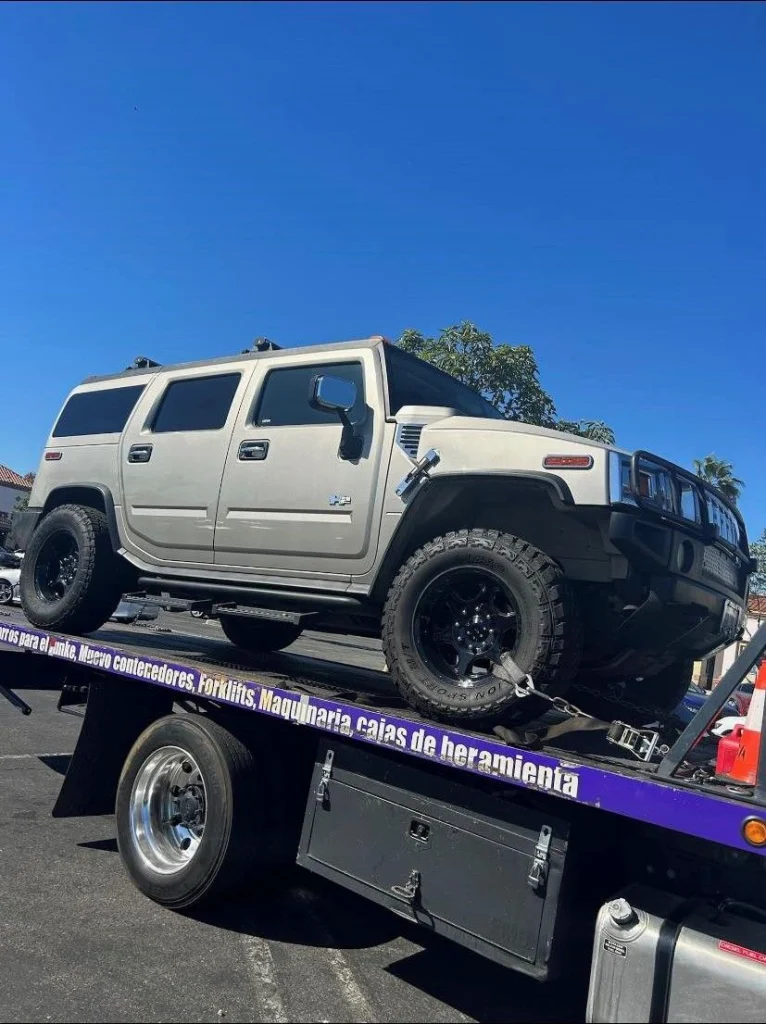
Open vs. Enclosed Car Transport: Choosing the Right Shipping Method
When arranging vehicle shipping, one of the most important decisions is choosing between open and enclosed auto transport.
Both methods are commonly used throughout the United States, but they offer different benefits in terms of pricing, environmental protection, and suitability for specific vehicles.
Understanding these differences can help you select the right transportation service for your needs.
What Is Open Car Transport?
Open car transport involves shipping vehicles on an open-air trailer. These trailers are commonly seen on highways carrying several cars at once.
Open carriers are widely used by automotive dealerships, manufacturers, and individual vehicle owners.
Because several vehicles can be transported together, open shipping is generally more affordable than enclosed shipping.
Advantages of Open Car Transport
-
Typically lower shipping costs
-
Broad carrier availability on many routes
-
Suitable for everyday passenger vehicles
-
Practical for short- and long-distance shipments
-
Commonly used for dealership and personal vehicle transportation
Potential Drawbacks
The main consideration is exposure to outdoor conditions. During transportation, vehicles may encounter rain, dust, sunlight, and road debris.
Although carriers use equipment designed to secure vehicles during transit, open transport does not provide the same environmental shielding as an enclosed trailer.
What Is Enclosed Car Transport?
Enclosed car transport uses a covered trailer that surrounds the vehicle during transportation.
This shipping method offers additional protection from weather, airborne debris, and direct exposure to road conditions.
Enclosed transport is commonly selected for vehicles with significant monetary, historical, or sentimental value.
Advantages of Enclosed Car Transport
-
Greater protection from outdoor elements
-
Suitable for luxury and collectible vehicles
-
Reduced exposure to road dust and debris
-
Options for specialized loading and handling, depending on the carrier
-
Additional privacy during transportation
Potential Drawbacks
Enclosed shipping typically costs more because enclosed carriers have different operating costs and often carry fewer vehicles.
Availability may also be more limited on certain routes, so advance scheduling can be beneficial.
Comparing Open and Enclosed Shipping
| Feature | Open Transport | Enclosed Transport |
|---|---|---|
| General cost | Lower | Higher |
| Weather protection | Limited | Greater |
| Carrier availability | Often broader | May be more limited |
| Ideal vehicles | Everyday cars | Luxury, classic, exotic |
| Road debris exposure | Higher | Lower |
| Long-distance shipping | Available | Available |
Which Vehicles Are Best for Open Transport?
Open transport is often appropriate for standard sedans, hatchbacks, SUVs, pickup trucks, and many daily-use vehicles.
For customers who prioritize affordability and convenience, open shipping is frequently a sensible choice.
For example, someone relocating from San Diego to another state with a standard family sedan may find open transport meets their needs without the additional cost of an enclosed carrier.
Which Vehicles Are Best for Enclosed Transport?
Enclosed shipping may be preferable for classic automobiles, restored vehicles, exotic sports cars, high-end luxury vehicles, or cars with delicate finishes.
Customers who have invested significantly in restoration or customization may value the additional environmental protection.
Enclosed shipping does not eliminate every transportation risk, but it can reduce certain types of exposure during transit.
Does Enclosed Transport Include Better Insurance?
Not necessarily.
Insurance coverage depends on the actual carrier, policy, exclusions, and shipment terms—not simply whether the trailer is open or enclosed.
Before booking either method, ask about applicable cargo coverage, deductibles, exclusions, and the process for reporting damage.
How Do You Make the Right Choice?
Start by considering your vehicle’s value, condition, and intended use.
Next, evaluate your budget and the level of environmental protection you prefer.
Finally, discuss the available options for your route and pickup timeframe.
VisionPath Auto Transport can help you compare open and enclosed transportation solutions so you can make an informed decision.
Final Thoughts
Both open and enclosed auto transport serve important purposes.
Open shipping is typically a cost-effective and widely available choice for everyday vehicles. Enclosed shipping provides additional environmental protection and may be especially appropriate for valuable or specialty automobiles.
Need help choosing? Call VisionPath Auto Transport at (619) 637-3097 to discuss your vehicle shipping needs and request a quote.